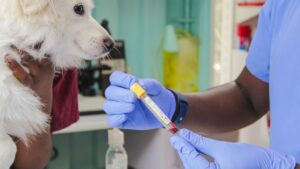
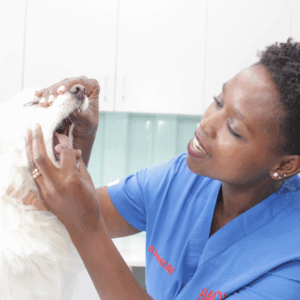
Vaccination is one of the most important parts of responsible dog ownership. Vaccines help protect dogs from serious and potentially life-threatening infectious diseases while also reducing the spread of preventable diseases among animals.
If you have recently brought home a puppy, you may be wondering: How often should my dog be vaccinated in Kenya?
The answer depends on your dog’s age, previous vaccination history, health, lifestyle, exposure to other animals and the vaccines recommended by your veterinarian.
For most puppies, vaccinations begin at around 6–8 weeks of age, followed by additional doses every few weeks until the puppy reaches the appropriate age for completion of its initial vaccination series. Adult dogs then require booster vaccinations at intervals determined by the specific vaccine, your dog’s risk factors and local veterinary recommendations.
At Hardy Veterinary Clinic in Karen, Nairobi, our veterinary team can assess your dog’s health and vaccination history and recommend an appropriate vaccination plan.
Why Is Dog Vaccination Important?
Dogs can be exposed to infectious diseases through contact with other animals, contaminated environments and bodily fluids. Some diseases can cause severe illness or death, particularly in puppies and dogs that have not been adequately vaccinated.
Vaccination helps the immune system recognise specific disease-causing organisms and respond more effectively when exposed to them.
Common diseases targeted by canine vaccination programmes include:
- Canine parvovirus
- Canine distemper
- Canine adenovirus/hepatitis
- Rabies
- Leptospirosis, where recommended
- Other diseases depending on the dog’s lifestyle and risk of exposure
The World Small Animal Veterinary Association (WSAVA) recommends that vaccination programmes should be tailored to the individual dog, taking into account factors such as age, lifestyle, geographic location and disease risk.
When Should a Puppy Get Its First Vaccination?
Puppies normally receive their first core vaccinations at approximately 6–8 weeks of age.
However, one vaccination is not usually enough to provide reliable protection throughout the puppy’s early development.
Puppies receive temporary protection from antibodies obtained from their mother, particularly through colostrum. These maternal antibodies gradually decline. They can also interfere with the effectiveness of vaccination, which is one reason puppies receive a series of vaccinations rather than a single injection.
A typical puppy vaccination programme may look like this:
| Puppy age | Typical vaccination stage |
|---|---|
| 6–8 weeks | First core vaccination |
| 10–12 weeks | Second vaccination |
| 14–16 weeks | Further vaccination, depending on the protocol |
| Around 12 weeks or later | Rabies vaccination, according to the vaccine and veterinary recommendation |
| After the puppy series | Booster according to veterinary advice |
This is a general guide rather than a fixed schedule for every dog. Your veterinarian may adjust the timing depending on your puppy’s health, previous vaccination records, vaccine product and disease risks in your area.
WSAVA’s 2024 guidelines recommend that the final dose of a puppy’s core vaccination series should be given at 16 weeks of age or older in many circumstances because maternal antibodies can interfere with earlier vaccination.
What Vaccines Does a Dog Need?
Not every dog needs exactly the same vaccines at exactly the same frequency.
Veterinarians generally distinguish between core vaccines and non-core vaccines.
Core vaccines
Core vaccines protect against diseases considered important for dogs because of their severity, prevalence or public-health significance.
For dogs, these include vaccines targeting diseases such as:
- Canine distemper virus
- Canine adenovirus
- Canine parvovirus
- Rabies in areas where rabies is endemic
Rabies is particularly important in Kenya because it is a serious zoonotic disease that can affect both animals and people.
WSAVA recommends rabies vaccination in areas where rabies is endemic and notes that the required revaccination interval can depend on local regulations and the licensed duration of immunity of the vaccine used.
Non-core vaccines
Other vaccines may be recommended depending on your dog’s individual risk.
For example, a veterinarian may consider additional protection where a dog:
- Frequently visits boarding facilities
- Attends dog day-care
- Regularly mixes with many other dogs
- Travels
- Lives in an area where a particular disease presents a significant risk
- Has another lifestyle-related exposure
The decision should be based on your dog’s circumstances rather than assuming that every dog needs every available vaccine.
How Often Should an Adult Dog Be Vaccinated?
This is where many dog owners become confused.
Adult dogs do not necessarily need every vaccine every year.
Different vaccines provide different durations of protection, and vaccination recommendations have evolved as veterinary research has developed.
The 2024 WSAVA guidelines explain that vaccines protecting against some major viral diseases, including canine parvovirus, distemper and adenovirus, can provide long-lasting protection, while some other vaccines may require more frequent administration.
For this reason, your dog’s vaccination schedule should be determined by a veterinarian based on:
- The vaccine previously administered
- Your dog’s age
- Previous vaccination history
- Health status
- Lifestyle
- Exposure risk
- Local disease risks
- The manufacturer’s licensed duration of immunity
- Applicable regulations
A dog that has missed vaccinations may also need a different catch-up programme.
What If My Dog Has Missed Its Vaccinations?
Don’t assume that you have to start everything from the beginning.
If your dog has missed a vaccination, contact your veterinarian and provide any vaccination records you have.
For adult dogs with an unknown or incomplete vaccination history, WSAVA notes that a single dose of a modified-live core vaccine will very likely be sufficient to induce immunity in many dogs over 26 weeks of age, although higher-risk situations may require additional vaccination.
Your veterinarian will determine the appropriate approach for your particular dog.
Do not vaccinate a sick dog without first discussing the situation with a veterinarian.
Can Puppies Go Outside Before They Finish Their Vaccinations?
Puppies need socialisation and appropriate exposure to their environment, but they are also vulnerable to infectious diseases before their vaccination programme is complete.
Until your puppy has adequate protection, be careful about exposing it to environments where unvaccinated or sick dogs may have been present.
Your veterinarian can advise you on:
- Safe socialisation
- Walking
- Meeting other dogs
- Visiting public spaces
- Puppy classes
- Boarding
- Travel
The right balance depends on your puppy’s health, vaccination status and local disease risk.
What Are the Signs of a Serious Illness in an Unvaccinated Dog?
Vaccination reduces the risk of several serious diseases, but no vaccine provides absolute protection against every possible illness.
Contact a veterinarian promptly if your dog develops symptoms such as:
- Persistent vomiting
- Severe or bloody diarrhoea
- Extreme weakness or lethargy
- Difficulty breathing
- Loss of consciousness
- Seizures
- High or persistent fever
- Sudden changes in behaviour
- Loss of appetite accompanied by other concerning symptoms
Puppies with severe vomiting or diarrhoea can deteriorate quickly, so it is important not to wait if you are concerned.
Do Indoor Dogs Need Vaccinations?
Yes.
Keeping a dog indoors can reduce exposure to some infectious diseases, but it does not eliminate the risk.
Dogs can encounter infectious organisms through:
- People
- Other animals
- Outdoor environments
- Contaminated surfaces
- Veterinary visits
- Travel
- Contact with other pets
The appropriate vaccination programme should therefore be based on your dog’s overall risk rather than simply whether the dog spends most of its time indoors.
Does Every Dog Need the Same Vaccination Schedule?
No.
Two dogs of the same age may have different vaccination needs.
For example, consider the difference between:
Dog A:
Lives mainly indoors and has limited contact with other animals.
Dog B:
Regularly travels, visits boarding facilities, interacts with many dogs and spends significant time outdoors.
Their risk profiles are different.
This is why responsible vaccination involves more than simply asking, “Does my dog need a vaccine this year?”
Instead, your veterinarian should review your dog’s health, history and lifestyle and determine which vaccinations are appropriate.
Dog Vaccination in Karen, Nairobi
If you live in Karen, Hardy, Lang’ata, Nairobi or surrounding areas, keeping your dog’s vaccinations up to date is an important part of preventive healthcare.
Hardy Veterinary Clinic provides veterinary services including dog and pet vaccinations, general consultations, diagnostics, surgery, dental care and emergency veterinary care.
Regular veterinary visits also provide an opportunity to discuss other aspects of your dog’s health, including:
- Deworming
- Flea and tick prevention
- Nutrition
- Dental health
- Weight management
- Parasite control
- Reproductive health
- Behaviour
- General wellness
Frequently Asked Questions
How often should I vaccinate my dog in Kenya?
There is no single vaccination schedule that applies to every dog. Puppies usually receive a series of vaccinations beginning at around 6–8 weeks, while adult booster intervals depend on the specific vaccine, the dog’s risk factors, local requirements and veterinary recommendations.
At what age should a puppy get its first vaccine?
Many puppy vaccination programmes begin at approximately 6–8 weeks of age. Additional doses are normally given at intervals of a few weeks, with the final dose of the initial core series generally administered at 16 weeks or older in accordance with current guidelines.
Is rabies vaccination important for dogs in Kenya?
Yes. Rabies is a serious zoonotic disease, and vaccination is particularly important in rabies-endemic areas. The appropriate timing and booster interval should follow the vaccine’s licensed recommendations and applicable local requirements.
What happens if I don’t know my dog’s vaccination history?
Take your dog to a veterinarian for an assessment. Don’t guess which vaccines your dog needs. A veterinarian can review any available records and establish an appropriate vaccination plan.
Can a sick dog be vaccinated?
A veterinarian should assess a sick dog before vaccination. Depending on the illness and the dog’s overall condition, vaccination may need to be postponed.
Does my adult dog need vaccines every year?
Not necessarily every vaccine. Different vaccines have different durations of immunity, so your veterinarian should determine which vaccinations are due and when.
Keep Your Dog’s Vaccinations Up to Date
Vaccination is one part of maintaining your dog’s overall health. Regular veterinary check-ups allow potential health problems to be identified early and give you an opportunity to discuss preventive care.
If your dog’s vaccination record is missing, incomplete or overdue, don’t wait until your pet becomes sick.
Contact Hardy Veterinary Clinic in Karen, Nairobi, to discuss your dog’s vaccination needs and book a veterinary consultation.