If your dog or cat needs surgery, one of the first questions you may have is: How much does pet surgery cost in Nairobi?
The answer depends on several factors, including the type of surgery, the condition of the pet, diagnostic tests, medication, anesthesia, hospitalization and follow-up care.
There is therefore no single price that applies to every pet surgery.
For pet owners in Nairobi, understanding what affects veterinary surgery costs can help you prepare financially and make informed decisions about your pet’s treatment.
In this guide, we explain the common types of pet surgery, factors that affect the cost and what you should ask your veterinarian before a procedure.
What Is Pet Surgery?
Pet surgery refers to a veterinary procedure in which a veterinarian operates on an animal to treat a medical condition, injury or other health problem.
Surgery may be planned in advance or may be required urgently.
Some procedures are relatively straightforward, while others can be complex and require advanced monitoring, diagnostics and post-operative care.
Dogs and cats may require surgery for conditions such as:
- Injuries and wounds
- Tumours and masses
- Foreign objects swallowed by pets
- Reproductive conditions
- Complications during pregnancy
- Certain intestinal problems
- Orthopaedic injuries
- Dental conditions
- Abscesses
- Certain urinary problems
- Spaying and neutering
How Much Does Pet Surgery Cost in Nairobi?
There is no universal price for veterinary surgery in Nairobi because each case is different.
A simple procedure may cost significantly less than complicated abdominal, orthopaedic or emergency surgery.
The total veterinary bill may include:
| Cost Component | What It May Cover |
|---|---|
| Consultation | Initial veterinary examination |
| Diagnostics | Blood tests, imaging or other investigations |
| Anaesthesia | Medication and monitoring during surgery |
| Surgery | Veterinary procedure and surgical supplies |
| Medication | Pain relief, antibiotics or other prescribed medicines |
| Hospitalisation | Monitoring before or after surgery |
| Follow-up | Post-operative examinations and treatment |
For this reason, it is important to ask the veterinary clinic for an estimate based on your pet’s specific condition rather than relying on a general online price.
What Factors Affect the Cost of Pet Surgery?
1. Type of Surgery
The biggest factor is usually the type of procedure required.
A routine procedure and a complicated emergency operation will not have the same cost.
For example, surgery to remove a small superficial mass may involve different resources from surgery to treat an intestinal obstruction.
2. Size and Condition of the Pet
The size and general health of your pet can affect the procedure.
Anaesthesia, medication and monitoring requirements may vary depending on the animal.
A veterinarian will assess your pet before surgery to determine the safest approach.
3. Emergency vs Planned Surgery
Emergency surgery can be more complex because the pet may arrive in a serious or unstable condition.
Emergency cases may require:
- Immediate stabilisation
- Blood tests
- Intravenous fluids
- Pain management
- Imaging
- Emergency anaesthesia
- Surgery
- Intensive monitoring
- Hospitalisation
A planned procedure may allow the veterinary team more time to perform examinations and prepare the pet before surgery.
4. Diagnostic Tests
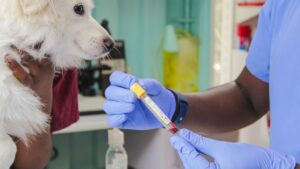
Your veterinarian may recommend tests before surgery.
Depending on the case, these could include:
- Blood tests
- Urine tests
- Stool tests
- X-rays
- Ultrasound
- Other diagnostic investigations
These tests help the veterinarian understand your pet’s condition and assess potential risks before an operation.
5. Anaesthesia
Most major veterinary surgeries require general anaesthesia.
Anaesthesia allows the animal to remain unconscious and still during the procedure while reducing pain and stress.
The cost can depend on:
- Type of anaesthesia
- Duration of the procedure
- Size of the animal
- Monitoring requirements
- Medication required
6. Medication
Your pet may need medication before or after surgery.
Depending on the procedure, this could include:
- Pain medication
- Antibiotics where clinically indicated
- Anti-inflammatory medication
- Other prescribed medicines
Not every pet requires the same medication.
7. Hospitalisation
Some pets can go home relatively soon after a procedure.
Others may need to remain at the veterinary clinic for monitoring.
Hospitalisation may be recommended when a pet:
- Has undergone major surgery
- Needs intravenous fluids
- Requires pain management
- Is recovering from an emergency
- Needs close monitoring
- Is not eating or drinking normally
The length of hospitalisation can therefore affect the overall cost.
Common Types of Pet Surgery in Nairobi
Spaying and Neutering
Spaying and neutering are common veterinary procedures.
Spaying generally refers to surgery performed on a female animal to prevent reproduction, while neutering commonly refers to castration of a male animal.
Your veterinarian can explain the potential benefits, risks, timing and recovery process for your particular pet.
Tumour or Mass Removal
Dogs and cats can develop lumps or masses.
Not every lump is cancerous, but a veterinarian may recommend examination and, where appropriate, testing or removal.
Depending on the case, the removed tissue may also require further laboratory examination.
Foreign Body Surgery
Dogs in particular may swallow objects that they should not eat.
Some foreign objects pass naturally, but others can become stuck and cause an obstruction.
Signs can include:
- Repeated vomiting
- Loss of appetite
- Abdominal pain
- Lethargy
- Changes in bowel movements
A suspected intestinal obstruction can be a veterinary emergency.
Wound and Injury Surgery
Pets can suffer injuries from:
- Road accidents
- Animal fights
- Falls
- Bites
- Other trauma
Some wounds can be treated without surgery, while deeper or complicated injuries may require surgical treatment.
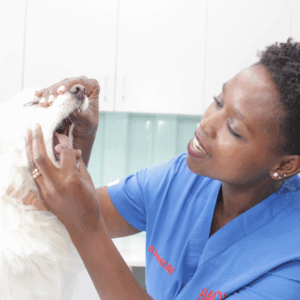
Dental Surgery
Advanced dental disease can sometimes require veterinary dental procedures.
Depending on the condition, treatment may involve professional cleaning, dental extraction or another procedure.
Dental surgery should only be performed after an appropriate veterinary assessment.
Orthopaedic Surgery
Some fractures, ligament injuries and other musculoskeletal problems may require surgery.
The treatment depends on:
- Type of injury
- Location
- Severity
- Age of the pet
- Overall health
Some complicated orthopaedic cases may require referral to a veterinary specialist.
Does Every Pet Need Surgery?
No.
Veterinarians generally consider surgery only when it is appropriate for the animal’s condition.
Depending on the diagnosis, treatment may instead involve:
- Medication
- Dietary management
- Wound care
- Rest
- Physiotherapy
- Monitoring
- Other non-surgical treatment
The veterinarian should explain why surgery is being recommended and discuss available options.
What Happens Before Pet Surgery?
Before surgery, the veterinarian normally evaluates your pet’s health and the specific condition being treated.
This may involve:
Physical Examination
The veterinarian checks your pet’s general condition and assesses the problem requiring treatment.
Diagnostic Testing
Depending on the procedure, diagnostic tests may be recommended.
Anaesthetic Assessment
The veterinary team considers factors that may affect anaesthesia and surgery.
Discussion With the Pet Owner
The veterinarian should explain the proposed procedure, potential risks, expected recovery and any preparation required.
You should have an opportunity to ask questions before consenting to the procedure.
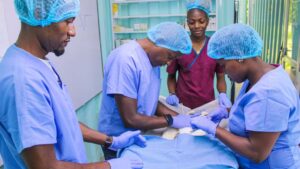
What Happens During Surgery?
The exact process depends on the operation.
Generally, veterinary surgery involves:
- Preparing the pet
- Administering appropriate anaesthesia
- Monitoring vital signs
- Performing the surgical procedure
- Managing pain
- Recovering the pet from anaesthesia
- Monitoring the animal after surgery
The veterinary team determines the appropriate monitoring and treatment based on the individual animal.
What Happens After Pet Surgery?
Post-operative care is an important part of recovery.
Your veterinarian may provide instructions covering:
- Medication
- Feeding
- Exercise restrictions
- Wound care
- Keeping the surgical site clean
- Follow-up appointments
- When to remove stitches, if applicable
- Warning signs to watch for
Follow the veterinarian’s instructions carefully.
Signs Your Pet May Be Having a Problem After Surgery
Contact your veterinarian if you notice concerning changes such as:
- Persistent vomiting
- Severe lethargy
- Difficulty breathing
- Significant bleeding
- Severe pain
- A rapidly worsening wound
- Excessive swelling
- Discharge from the surgical site
- Loss of appetite that persists
- Collapse
- Other sudden or severe changes
If you are concerned about your pet’s recovery, contact the veterinary team rather than waiting for the next scheduled appointment.
How to Prepare Financially for Pet Surgery
Unexpected veterinary surgery can be financially stressful.
Pet owners can reduce surprises by asking the veterinarian for an estimate before planned procedures.
Ask what the estimate includes.
For example:
- Consultation
- Diagnostic tests
- Anaesthesia
- Surgery
- Medication
- Hospitalisation
- Follow-up visits
Also ask whether additional treatment may be necessary if complications are discovered during the procedure.
For emergency cases, the final cost may be difficult to determine before the veterinarian has examined the animal.
Questions to Ask Your Vet Before Surgery
Before agreeing to a procedure, consider asking:
- Why does my pet need surgery?
- Is surgery urgent?
- Are there non-surgical treatment options?
- What type of surgery is being recommended?
- What diagnostic tests are required?
- What are the potential risks?
- What type of anaesthesia will be used?
- How long is recovery expected to take?
- Will my pet need to stay at the clinic?
- What will the estimated cost include?
- What medications will my pet need afterwards?
- What signs should make me contact the clinic immediately?
Understanding the procedure can help you make a more informed decision.
Pet Surgery in Karen and Nairobi
Pet owners in Karen and other parts of Nairobi have access to veterinary clinics providing different levels of surgical and diagnostic care.
When choosing a clinic, do not focus only on the price.
Consider:
- Veterinary qualifications
- Surgical experience
- Diagnostic capabilities
- Anaesthesia and monitoring
- Hygiene and safety
- Emergency support
- Post-operative care
- Communication
- Accessibility
The cheapest option may not always be the most appropriate option, particularly when your pet requires complex treatment.
Pet Surgery at Hardy Veterinary Clinic
Hardy Veterinary Clinic in Hardy–Karen, Nairobi provides veterinary care for dogs, cats and other companion animals.
The clinic’s services include pet surgery, general consultations, vaccinations, emergency care, dental care, diagnostics and laboratory services, and parasite management.
If your pet has been diagnosed with a condition that may require surgery, a veterinary consultation can help determine the appropriate treatment.
The clinic is located at:
Hardy Veterinary Clinic
391 Kongoni Road, Hardy–Karen, Nairobi
Pet owners can contact the clinic to discuss their pet’s condition and arrange a veterinary consultation.
Frequently Asked Questions About Pet Surgery in Nairobi
How much does dog surgery cost in Nairobi?
The cost varies depending on the type of surgery, the dog’s condition, diagnostic requirements, anaesthesia, medication and whether hospitalisation is required. Ask the veterinary clinic for a case-specific estimate.
How much does cat surgery cost in Nairobi?
Cat surgery costs vary according to the procedure and the individual cat’s condition. A consultation is normally required before the veterinarian can determine the appropriate treatment and expected costs.
Is pet surgery expensive?
Some veterinary procedures can be expensive, particularly when they involve emergency treatment, advanced diagnostics, major surgery or prolonged hospitalisation. However, the cost depends greatly on the individual case.
Can a dog survive surgery?
Many dogs undergo successful veterinary procedures, but every surgery carries potential risks. Your veterinarian can assess your dog’s condition and discuss the expected benefits and risks before the procedure.
How long does a pet take to recover from surgery?
Recovery depends on the type of surgery, the pet’s age and health, and whether complications occur. Your veterinarian will provide specific recovery instructions for your pet.
Is emergency pet surgery more expensive?
Emergency cases can involve additional diagnostics, stabilisation, medication, intensive monitoring and hospitalisation. Therefore, emergency treatment may cost more than a straightforward planned procedure.
Should I get a second veterinary opinion?
For major or non-emergency surgery, getting another professional opinion can sometimes help you better understand the diagnosis and treatment options. However, if your pet has a life-threatening emergency, treatment should not be unnecessarily delayed.
Final Thoughts
Pet surgery can be worrying for both pets and their owners.
Understanding what affects veterinary surgery costs can help you prepare for treatment and ask the right questions.
The total cost depends on the procedure, your pet’s condition, diagnostic tests, anaesthesia, medication, hospitalisation and follow-up care.
If your dog or cat has been diagnosed with a condition that may require surgery, speak with a qualified veterinarian about the available treatment options and the expected costs.
For pet owners in Karen and surrounding areas, Hardy Veterinary Clinic provides veterinary consultations, pet surgery, diagnostics, emergency care, dental services, vaccinations and parasite management.
Veterinary Disclaimer
This article is intended for general educational purposes and does not replace professional veterinary advice. Veterinary treatment and costs vary between individual animals and cases. If your pet is injured, seriously ill or experiencing an emergency, seek veterinary care as soon as possible.