Finding the right veterinary clinic is one of the most important decisions you can make as a pet owner. Whether you have a dog, cat, puppy, kitten or another companion animal, having access to a reliable veterinarian can make a major difference when your pet needs routine healthcare or urgent treatment.
For pet owners searching for a veterinary clinic in Karen, Nairobi, there are several factors to consider beyond simply choosing the clinic that is closest to your home.
A good veterinary clinic should provide professional veterinary care, preventive healthcare, diagnostics, treatment, surgery when necessary and clear communication with pet owners.
In this guide, we explain what to look for when choosing a veterinary clinic in Karen and the questions you should ask before trusting a clinic with your pet’s health.
Why Choosing the Right Veterinary Clinic Matters
Pets cannot tell us when they are feeling unwell. A veterinarian therefore plays an important role in identifying health problems early and helping you understand what your pet needs.
Regular veterinary care can help with:
- Vaccinations
- Routine health examinations
- Parasite prevention and treatment
- Disease diagnosis
- Dental care
- Nutritional advice
- Laboratory testing
- Pet surgery
- Emergency treatment
- Reproductive health
- Long-term management of chronic conditions
Having a veterinary clinic that knows your pet’s medical history can also make future consultations easier.
10 Things to Consider When Choosing a Veterinary Clinic in Karen
1. Look for a Qualified Veterinary Team
The most important factor is the veterinary team.
A good veterinary clinic should have appropriately qualified veterinary professionals who can examine animals, diagnose health problems and recommend suitable treatment.
You should feel comfortable asking questions about your pet’s condition and treatment options.
A good veterinarian should also explain medical information in language that pet owners can understand.
2. Check the Range of Veterinary Services
Choosing a clinic that provides several services can make managing your pet’s healthcare easier.
Depending on your pet’s needs, useful services may include:
- General veterinary consultations
- Pet vaccinations
- Deworming and parasite control
- Flea and tick management
- Diagnostic testing
- Laboratory services
- Dental care
- Pet surgery
- Emergency veterinary care
- Preventive healthcare
- Nutritional guidance
A clinic offering a broad range of services can provide continuity of care as your pet grows older.
3. Ask About Emergency Veterinary Care
Emergencies can happen at any time.
Your pet may suddenly experience difficulty breathing, poisoning, severe vomiting, trauma, seizures, bleeding or another serious medical problem.
Before choosing a veterinary clinic, find out:
- Does the clinic handle emergencies?
- What should you do outside normal consultation hours?
- What number should you call during an emergency?
- Can the clinic provide urgent assessment and treatment?
- Where should you take your pet if the clinic cannot handle a particular emergency?
Knowing this information before an emergency occurs can save valuable time.
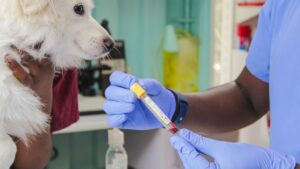
4. Consider Diagnostic and Laboratory Services
Sometimes a physical examination alone is not enough to determine what is wrong with a pet.
Veterinarians may recommend diagnostic tests such as:
- Blood tests
- Urine tests
- Stool examinations
- Parasite testing
- Other laboratory investigations
- Imaging where available and appropriate
Diagnostic services can help veterinarians make more informed decisions about treatment.
For example, a dog showing signs of weakness could have several possible causes, including infection, parasites, anemia or another underlying condition. Testing may help identify the problem.
5. Check Whether the Clinic Provides Surgical Services
Some pets eventually require surgery.
Surgery may be necessary because of:
- Injuries
- Foreign objects swallowed by a pet
- Certain infections
- Tumours or masses
- Reproductive conditions
- Complications during pregnancy
- Dental problems
- Certain orthopedic conditions
- Spaying or neutering
If you choose a veterinary clinic that provides surgical services, ask about pre-surgical examinations, anesthesia, monitoring and post-operative care.
For complicated procedures, your veterinarian may also recommend referral to a specialist.
6. Choose a Convenient Location
Location matters, particularly when you own a pet that may require regular veterinary visits.
A veterinary clinic in Karen can be convenient for pet owners living in areas such as:
- Karen
- Hardy
- Lang’ata
- Runda
- Ngong
- Rongai
- Muthaiga
- Nairobi’s southern suburbs
- Surrounding areas
The closer the clinic is to your home, the easier it can be to maintain regular veterinary appointments.
Location becomes even more important during emergencies, when travelling long distances may delay treatment.
7. Look at the Clinic’s Hygiene and Environment
When visiting a veterinary clinic, pay attention to the environment.
A professional veterinary facility should have appropriate hygiene and animal-handling practices.
You can look at:
- General cleanliness
- How animals are handled
- Waiting areas
- Consultation rooms
- Treatment areas
- How medical waste is managed
- Whether staff treat animals calmly and professionally
A clean and well-managed environment is important for the wellbeing of both pets and staff.
8. Consider Communication With Pet Owners
Good veterinary care is not only about diagnosis and treatment.
Communication is equally important.
Your veterinarian should explain:
- What may be wrong with your pet
- Recommended tests
- Available treatment options
- Medication instructions
- Possible side effects
- Follow-up requirements
- Warning signs that require further attention
You should also be able to ask questions about your pet’s condition.
If you do not understand something, do not be afraid to ask the veterinarian to explain it again.
9. Check Reviews and Reputation
Online reviews can provide useful information when comparing veterinary clinics.
Look for patterns rather than relying on one review.
Consider what other pet owners say about:
- Staff professionalism
- Veterinary care
- Communication
- Treatment experience
- Cleanliness
- Responsiveness
- Overall customer service
However, remember that online reviews are only one part of choosing a veterinary clinic. Your pet’s medical needs and the clinic’s actual veterinary services should remain the most important considerations.
10. Ask About Preventive Pet Healthcare
A good veterinary clinic should not only treat sick animals.
Preventive healthcare is an important part of keeping pets healthy.
Preventive veterinary care can include:
Vaccinations
Vaccines help protect dogs and cats against important infectious diseases.
Your veterinarian can recommend an appropriate vaccination schedule based on your pet’s age, lifestyle, vaccination history and risk factors.
Parasite Control
Dogs and cats can be affected by parasites such as worms, fleas and ticks.
Regular parasite prevention can help protect your pet and, in some cases, reduce health risks to people in the household.
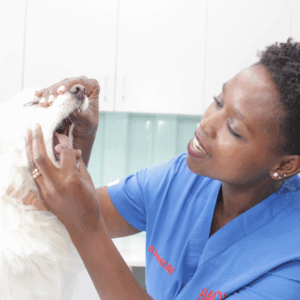
Dental Care
Dental disease is common in pets and can cause pain, bad breath, difficulty eating and other health problems.
Regular dental examinations can help identify problems early.
Routine Health Checks
Routine veterinary examinations can help detect health problems before they become more serious.
This is particularly important for puppies, kittens, senior pets and animals with existing health conditions.
Questions to Ask a Veterinary Clinic Before Your First Visit
If you are looking for a vet in Karen, consider asking the following questions before booking an appointment:
- What veterinary services do you provide?
- Do you provide vaccinations for dogs and cats?
- Do you provide diagnostic or laboratory services?
- Do you perform pet surgery?
- Do you provide dental care?
- How do you handle veterinary emergencies?
- What should I do if my pet becomes sick outside normal consultation hours?
- Do you provide parasite prevention advice?
- Can you keep my pet’s medical records?
- What should I bring to my pet’s first appointment?
These questions can help you understand whether the clinic is suitable for your pet’s needs.
What Should You Bring to Your Pet’s First Veterinary Appointment?
If possible, bring any information you have about your pet’s medical history.
This may include:
- Previous vaccination records
- Previous treatment records
- Medication your pet is currently taking
- Information about previous illnesses
- Details about recent symptoms
- Previous laboratory or diagnostic results
If your pet is experiencing symptoms, make a note of when they started and whether they have become better or worse.
You can also record changes in:
- Appetite
- Water consumption
- Urination
- Bowel movements
- Activity levels
- Weight
- Behaviour
This information can help the veterinarian understand what has changed.
When Should You Take Your Pet to a Vet?
Do not wait for a routine appointment if your pet is experiencing a potentially