Dogs in Nairobi can be affected by a range of infectious diseases, parasites and other health conditions.
Some illnesses are mild and can be treated easily when detected early, while others can become serious or life-threatening without prompt veterinary care.
Understanding the common health problems that can affect dogs and knowing how to prevent them can help you protect your pet.
If your dog develops unusual symptoms, it is important to consult a qualified veterinarian rather than attempting to diagnose or treat the condition at home.
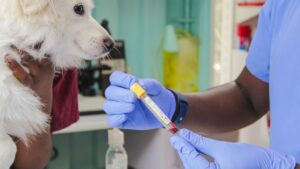
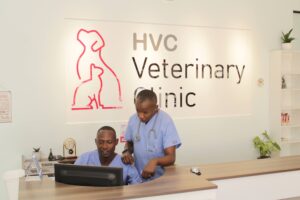
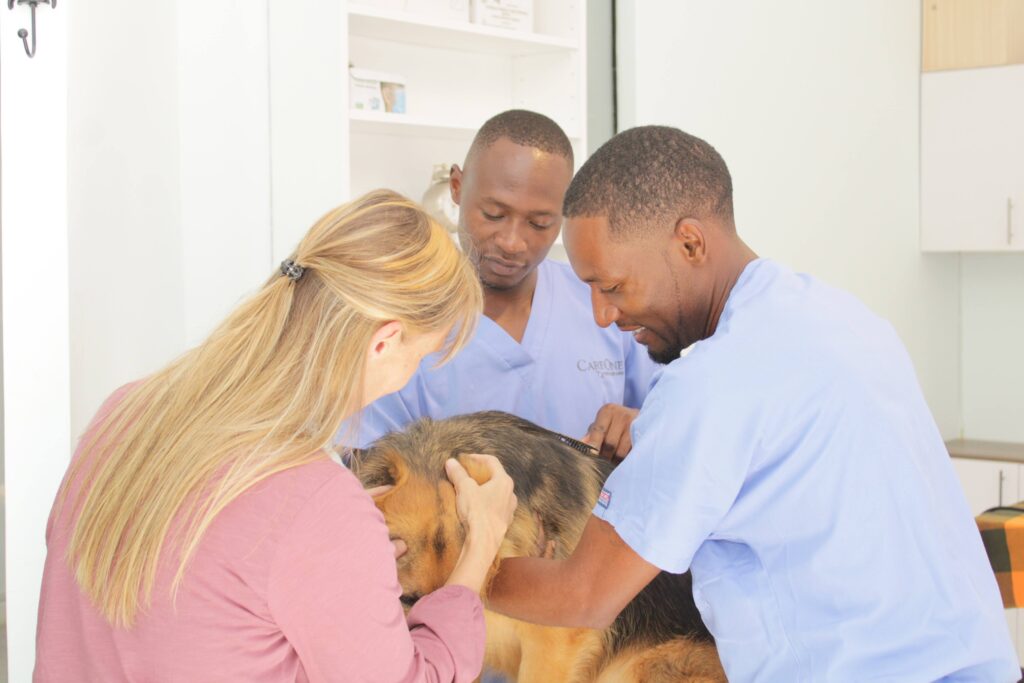
At Hardy Veterinary Clinic in Karen, Nairobi, our veterinary team provides consultations, vaccinations, diagnostics, surgery, dental care and emergency veterinary services for dogs and other pets.
1. Canine Parvovirus
Canine parvovirus is a highly contagious viral disease that can cause severe gastrointestinal illness, particularly in puppies and unvaccinated dogs.
Symptoms can include:
- Severe vomiting
- Diarrhoea
- Bloody stool
- Loss of appetite
- Weakness
- Dehydration
- Fever or abnormal body temperature
Puppies are particularly vulnerable to severe disease.
Parvovirus can spread through contaminated faeces and contaminated environments, making hygiene and vaccination important parts of prevention.
How can you prevent parvovirus?
The most important preventive measures include:
- Keeping your dog’s vaccinations up to date
- Following your veterinarian’s puppy vaccination schedule
- Avoiding high-risk environments before a puppy has adequate protection
- Cleaning contaminated areas appropriately
- Preventing contact with sick or unvaccinated dogs
If a puppy develops severe vomiting and diarrhoea, seek veterinary care promptly.
2. Canine Distemper
Canine distemper is another serious viral disease affecting dogs.
It can affect multiple body systems and may cause:
- Fever
- Nasal discharge
- Eye discharge
- Coughing
- Vomiting
- Diarrhoea
- Loss of appetite
- Weakness
- Neurological symptoms
Neurological signs can include muscle twitching, seizures and difficulty coordinating movement.
Vaccination is an important way to reduce the risk of canine distemper.
3. Rabies
Rabies is one of the most important diseases to prevent because it can affect both animals and humans.
The virus is generally transmitted through the saliva of an infected animal, commonly through a bite.
Possible signs in an infected dog can include:
- Sudden behavioural changes
- Aggression
- Unusual fearfulness
- Excessive salivation
- Difficulty swallowing
- Paralysis
- Abnormal vocalisation
- Progressive neurological problems
Once clinical rabies develops, it is almost invariably fatal.
How can dog owners prevent rabies?
Vaccination is one of the most important preventive measures.
Dog owners should also:
- Keep vaccinations up to date
- Avoid contact with stray or wild animals
- Report suspected exposures promptly
- Seek medical attention after a potential human exposure
- Contact a veterinarian after a dog has been bitten by another animal
If your dog is bitten by an unknown or potentially rabid animal, contact a veterinarian immediately.
4. Tick-Borne Diseases
Ticks are an important concern for dog owners in Kenya.
Dogs can develop illnesses after being bitten by infected ticks.
Depending on the specific disease, symptoms may include:
- Fever
- Weakness
- Loss of appetite
- Pale gums
- Weight loss
- Enlarged lymph nodes
- Bleeding problems
- Difficulty breathing
- Neurological symptoms
Tick-borne disease can become serious if it is not diagnosed and treated appropriately.
How can you protect your dog from ticks?
Ask your veterinarian about an appropriate tick-control programme.
Depending on your dog’s circumstances, prevention may include:
- Regular tick prevention products
- Checking your dog after outdoor activities
- Removing ticks safely
- Keeping the dog’s environment clean
- Treating areas where ticks may be present
Do not wait until you see large numbers of ticks before starting parasite prevention.
5. Intestinal Worms
Dogs can be infected with several types of intestinal parasites.
Common examples include:
- Roundworms
- Hookworms
- Whipworms
- Tapeworms
Symptoms may include:
- Diarrhoea
- Vomiting
- Weight loss
- Poor growth
- Bloated abdomen
- Weakness
- Poor coat condition
Puppies can be particularly affected by heavy parasite infestations.
Regular parasite control and good hygiene can help reduce the risk.
6. Kennel Cough and Respiratory Infections
Dogs can develop infectious respiratory conditions, particularly when they spend time around many other dogs.
Possible symptoms include:
- Persistent coughing
- Sneezing
- Nasal discharge
- Reduced energy
- Loss of appetite
- Fever in some cases
Dogs may be exposed at:
- Boarding facilities
- Dog day-care centres
- Dog parks
- Training facilities
- Events
- Other locations where many dogs interact
If your dog develops a persistent cough, have it assessed by a veterinarian.
Your veterinarian can also advise whether additional vaccination is appropriate based on your dog’s lifestyle.
7. Fleas
Fleas are more than an annoyance.
Heavy flea infestations can cause:
- Itching
- Hair loss
- Skin irritation
- Restlessness
- Allergic reactions
- Anaemia in severe cases
Fleas can also contribute to the transmission of certain parasites.
If your dog is constantly scratching or biting its skin, fleas may be one possible cause.
Your veterinarian can recommend an appropriate flea-control programme.
8. Skin Infections and Allergies
Dogs can develop a variety of skin problems.
Common signs include:
- Excessive scratching
- Licking
- Hair loss
- Redness
- Scabs
- Bad skin odour
- Skin wounds
- Recurrent ear infections
Possible causes include:
- Fleas
- Allergies
- Bacterial infections
- Fungal infections
- Parasites
- Environmental irritants
It is important to identify the underlying cause rather than simply treating the itching.
Persistent skin problems should be examined by a veterinarian.
9. Dental Disease
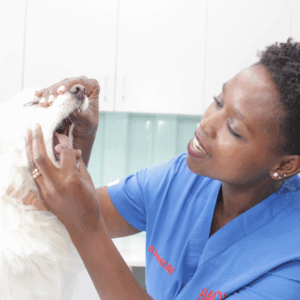
Dental problems are common in dogs and can be overlooked by owners.
Signs may include:
- Bad breath
- Difficulty chewing
- Dropping food
- Red or bleeding gums
- Loose teeth
- Excessive drooling
- Reduced appetite
Untreated dental disease can cause pain and contribute to other health problems.
Regular dental checks and appropriate oral hygiene can help protect your dog’s teeth and gums.
10. Obesity
Obesity is not an infectious disease, but it is an increasingly important health concern for companion animals.
Excess weight can increase the risk of problems involving:
- Joints
- Mobility
- Heart health
- Metabolism
- General quality of life
A dog’s ideal weight depends on factors such as breed, age, size and body condition.
Instead of relying only on the number on a weighing scale, ask your veterinarian to assess your dog’s body condition.
Signs Your Dog May Be Sick
Dogs can sometimes hide signs of illness.
Pay attention to changes such as:
- Loss of appetite
- Drinking significantly more or less water
- Vomiting
- Diarrhoea
- Persistent coughing
- Difficulty breathing
- Excessive scratching
- Sudden weight loss
- Weakness
- Changes in behaviour
- Difficulty walking
- Unusual discharge
- Changes in urination
- Persistent bad breath
One symptom does not necessarily mean your dog has a particular disease.
A veterinary examination may be needed to determine the cause.
When Should You Take Your Dog to a Vet?
Some symptoms require immediate attention.
Seek urgent veterinary care if your dog:
- Has difficulty breathing
- Collapses
- Has a seizure
- Is severely bleeding
- May have been poisoned
- Has severe or bloody vomiting or diarrhoea
- Has suffered significant trauma
- Has a severely swollen abdomen
- Cannot urinate
- Becomes extremely weak or unresponsive
For less urgent symptoms, arrange a veterinary consultation if they persist, worsen or are accompanied by other concerning changes.
How Can You Keep Your Dog Healthy in Nairobi?
Preventive care can reduce the risk of several common health problems.
Keep vaccinations up to date
Vaccination helps protect dogs against several serious infectious diseases.
Use appropriate parasite prevention
Talk to your veterinarian about protection against ticks, fleas and intestinal parasites.
Schedule regular veterinary examinations
Routine examinations can help identify problems before they become more serious.
Feed an appropriate diet
Your dog’s nutritional needs change with age, size, activity level and health.
Maintain good dental hygiene
Regular dental care can help reduce the risk of oral disease.
Exercise your dog appropriately
Regular activity helps support healthy weight and overall wellbeing.
Keep your dog’s environment clean
Promptly clean up faeces and maintain clean sleeping and feeding areas.
Avoid unnecessary exposure to sick animals
If your dog has not completed its vaccination programme, take extra care when exposing it to environments where many dogs gather.
Dog Health Care in Karen, Nairobi
If you live in Karen, Hardy, Lang’ata or surrounding areas of Nairobi, Hardy Veterinary Clinic provides veterinary services for dogs and other companion animals.
Our services include:
- General veterinary consultations
- Dog vaccinations
- Cat vaccinations
- Emergency veterinary care
- Diagnostics and laboratory services
- Surgery
- Dental care
- Parasite management
Regular veterinary care gives you an opportunity to discuss your dog’s individual health risks and create a preventive healthcare plan.
Frequently Asked Questions
What are the most common diseases affecting dogs in Kenya?
Dogs can be affected by infectious diseases such as parvovirus, distemper and rabies, as well as tick-borne diseases, intestinal parasites, skin conditions and dental disease.
How can I protect my dog from diseases?
Vaccination, parasite prevention, good nutrition, hygiene, regular veterinary examinations and avoiding unnecessary exposure to sick animals can help reduce disease risks.
How do I know if my dog has parvovirus?
Common signs include severe vomiting, diarrhoea, weakness, loss of appetite and dehydration. A veterinarian should diagnose suspected parvovirus because other diseases can cause similar symptoms.
Are ticks dangerous to dogs in Kenya?
Yes. Ticks can transmit diseases that can cause serious illness in dogs. Ask your veterinarian about an appropriate tick-prevention programme.
Does my dog need vaccinations every year?
Vaccination schedules vary depending on the vaccine, your dog’s age, health, lifestyle and risk factors. Your veterinarian should determine the appropriate vaccination and booster schedule.
Should I take my dog to the vet if it stops eating?
Loss of appetite can have many causes. If your dog refuses food, particularly if this is accompanied by vomiting, diarrhoea, weakness, pain or other symptoms, contact a veterinarian.
How often should my dog have a veterinary check-up?
The appropriate frequency depends on your dog’s age, health and individual circumstances. Puppies, senior dogs and dogs with ongoing health conditions may require more frequent examinations.
Protect Your Dog’s Health
Many common dog diseases can be prevented, managed or treated more effectively when identified early.
Don’t wait until your dog becomes seriously ill before seeking veterinary advice.
Keep your dog’s vaccinations and parasite prevention up to date, provide appropriate nutrition and pay attention to changes in behaviour or physical condition.
If you are concerned about your dog’s health, Hardy Veterinary Clinic in Karen, Nairobi, can assess your pet and recommend appropriate treatment or preventive care.
Hardy Veterinary Clinic
391 Kongoni Road, Hardy–Karen, Nairobi
Veterinary services include:
✓ Dog and cat vaccinations
✓ General consultations
✓ Emergency veterinary care
✓ Diagnostics and laboratory services
✓ Pet surgery
✓ Dental care
Contact Hardy Veterinary Clinic to book a veterinary consultation or discuss your dog’s health.
This article provides general educational information and does not replace examination or advice from a qualified veterinarian. Symptoms can have many different causes, and a veterinarian should diagnose and recommend treatment for individual pets.