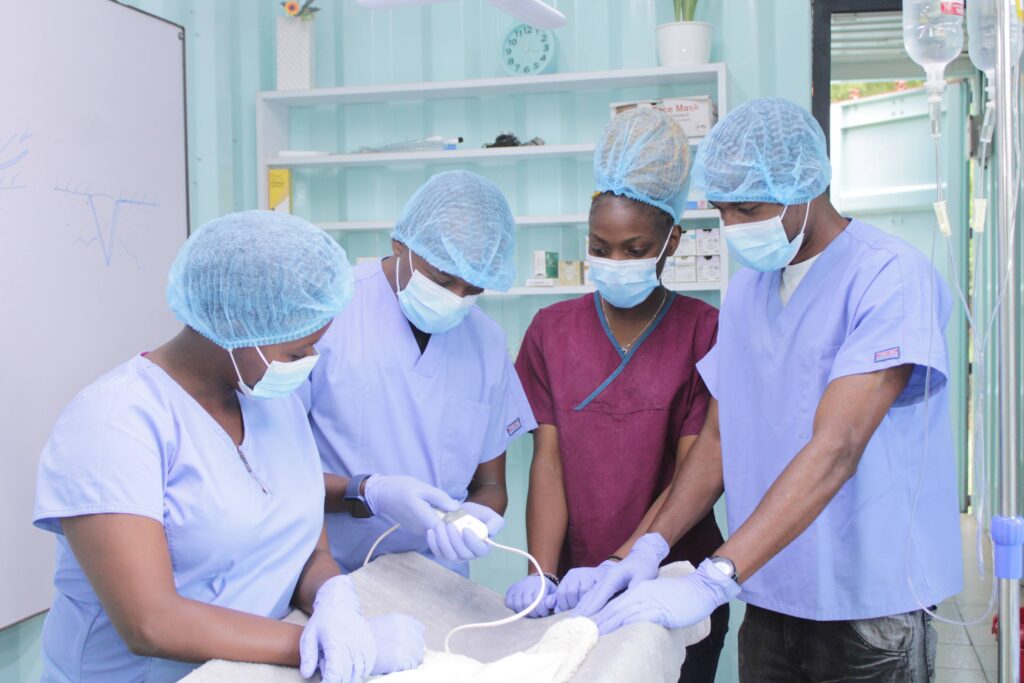
The word surgery can be worrying for any pet owner.
When a veterinarian recommends surgery for your dog or cat, you may have many questions:
Does my pet really need surgery?
Is surgery safe?
How much does pet surgery cost in Nairobi?
How should I prepare my pet?
What happens after the operation?
Veterinary surgery is used to treat a wide range of conditions, from injuries and infections to reproductive procedures and serious internal problems.
The need for surgery depends on your pet’s condition, age, health, diagnosis and the available treatment options.
At Hardy Veterinary Clinic in Karen, Nairobi, our veterinary team provides surgical care for dogs and cats as part of a broader range of veterinary services.
What Is Veterinary Surgery?
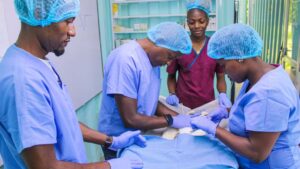
Veterinary surgery involves a surgical procedure performed to diagnose, treat or manage a medical condition in an animal.
Some procedures are planned in advance, while others are performed urgently because of an injury or life-threatening condition.
Examples include:
- Spaying and neutering
- Wound repair
- Removal of foreign objects
- Treatment of certain tumours
- Fracture-related procedures
- Emergency abdominal surgery
- Treatment of certain reproductive complications
- Other soft-tissue procedures
Your veterinarian will explain why surgery is being recommended and discuss the available options.
When Does a Dog or Cat Need Surgery?
Not every health problem requires surgery.
However, a veterinarian may recommend surgery when medication or other non-surgical treatment is unlikely to resolve the problem.
Some common situations include:
1. Serious Injuries
Dogs and cats can suffer injuries from:
- Road accidents
- Falls
- Animal fights
- Deep wounds
- Burns
- Other trauma
Some injuries may require surgical cleaning, wound repair or treatment of damage beneath the skin.
Even if an injury looks small externally, internal damage may be present.
Significant trauma should therefore be assessed by a veterinarian.
2. Foreign Objects
Dogs, particularly young dogs, may swallow objects they should not eat.
Examples include:
- Toys
- Bones
- Pieces of clothing
- Plastic
- Stones
- Other household objects
Some objects may pass naturally, but others can become lodged in the digestive system.
Possible warning signs include:
- Repeated vomiting
- Loss of appetite
- Abdominal pain
- Weakness
- Difficulty passing stool
- Excessive drooling
If you suspect your pet has swallowed a foreign object, contact a veterinarian promptly.
Some obstructions require surgery.
3. Spaying and Neutering
Spaying and neutering are common veterinary procedures.
Spaying
Spaying is the surgical sterilisation of a female animal.
It prevents pregnancy and may provide certain health benefits depending on the individual animal and timing of the procedure.
Neutering
Neutering generally refers to surgical sterilisation of a male animal.
It prevents reproduction and may have behavioural or health benefits depending on the individual pet.
The appropriate age for these procedures varies depending on the pet’s breed, size, health and circumstances.
Discuss the timing with your veterinarian rather than relying on a generic recommendation.
4. Tumours and Growths
Not every lump or growth is cancerous.
However, a new or changing lump should be examined by a veterinarian.
Your veterinarian may recommend:
- Physical examination
- Diagnostic testing
- Sampling of the tissue
- Imaging
- Surgical removal
If surgery is recommended, the veterinarian can explain whether the procedure is intended to remove the growth, obtain a diagnostic sample or address another problem.
5. Reproductive Emergencies
Pregnancy and labour can sometimes develop complications.
A pregnant dog or cat may require urgent veterinary intervention if it experiences:
- Prolonged difficult labour
- Severe weakness
- Significant distress
- Abnormal discharge
- Failure to deliver offspring
- Other signs of reproductive complications
In some situations, a caesarean section may be necessary.
If your pregnant pet appears to be experiencing difficulties during labour, contact a veterinarian immediately.
6. Certain Dental Problems
Severe dental disease may require veterinary dental procedures.
Your pet may need dental treatment if it has:
- Severe tartar
- Painful teeth
- Broken teeth
- Loose teeth
- Infected teeth
- Gum disease
Dental procedures may involve cleaning, treatment or extraction of damaged teeth.
Regular dental care can help reduce the likelihood of advanced dental disease.
7. Orthopaedic Problems
Some bone, joint and ligament injuries may require surgical treatment.
Examples can include certain:
- Fractures
- Joint injuries
- Ligament injuries
- Other orthopaedic conditions
The appropriate treatment depends on the type and severity of the injury.
A veterinarian may use physical examination and diagnostic imaging to determine the best treatment approach.
Emergency Surgery vs Planned Surgery
Veterinary surgery can generally be divided into two broad categories.
Planned surgery
A planned procedure is arranged in advance.
Examples include:
- Spaying
- Neutering
- Certain dental procedures
- Removal of selected masses
- Other elective procedures
This allows you to prepare your pet and arrange the appointment ahead of time.
Emergency surgery
Emergency surgery may be necessary when delaying treatment could put the animal’s life at risk.
Examples can include:
- Severe trauma
- Certain intestinal obstructions
- Serious abdominal conditions
- Complications during labour
- Other life-threatening conditions
Emergency cases may require rapid examination, diagnostic testing and treatment.
How Is a Pet Prepared for Surgery?
Before surgery, your veterinarian will assess your pet’s health.
Depending on the procedure, this may involve:
- Physical examination
- Medical history
- Blood tests
- Imaging
- Other diagnostic tests
The veterinarian may also ask about:
- Current medication
- Previous illnesses
- Allergies
- Previous reactions to anaesthesia
- Eating and drinking
- Vaccination history
Follow the veterinary team’s instructions carefully before the procedure.
If your veterinarian tells you not to feed your pet for a certain period before surgery, follow those instructions.
Is Anaesthesia Safe for Dogs and Cats?
Modern veterinary anaesthesia is generally considered safe when appropriately managed, but no anaesthetic procedure is completely risk-free.
The level of risk depends on factors such as:
- Age
- Breed
- Overall health
- Existing medical conditions
- Type of surgery
- Emergency status
- Anaesthetic protocol
This is why a veterinary assessment before surgery is important.
Your veterinarian can discuss the potential benefits and risks of anaesthesia for your individual pet.
What Happens After Pet Surgery?
Recovery is an important part of the surgical process.
After surgery, your veterinarian may provide instructions regarding:
- Medication
- Feeding
- Activity restrictions
- Wound care
- Follow-up appointments
- Preventing your pet from licking the surgical site
Your pet may be sleepy after anaesthesia.
However, contact your veterinarian if you notice concerning signs such as:
- Severe weakness
- Difficulty breathing
- Persistent vomiting
- Heavy bleeding
- Significant swelling
- Opening of the surgical wound
- Severe pain
- Other rapidly worsening symptoms
How Can You Help Your Pet Recover?
Create a quiet and comfortable recovery area.
Depending on the procedure:
- Restrict excessive activity
- Prevent running and jumping
- Keep the surgical site clean
- Follow medication instructions
- Prevent licking or chewing of the wound
- Attend scheduled follow-up appointments
Do not give your pet additional medication unless your veterinarian recommends it.
How Much Does Pet Surgery Cost in Nairobi?
There is no single price for pet surgery.
The total cost depends on:
- Type of surgery
- Size and species of the pet
- Diagnostic tests required
- Anaesthesia
- Medication
- Hospitalisation
- Complexity of the procedure
- Emergency vs planned surgery
- Follow-up care
For example, a routine sterilisation procedure will generally involve different costs from emergency abdominal surgery.
Before a planned procedure, ask the veterinary clinic for an estimate and clarify what is included.
For current surgery prices at Hardy Veterinary Clinic, contact the clinic directly.
How Can You Tell If Your Pet May Need Emergency Surgery?
Some symptoms require immediate veterinary assessment.
Take your pet to a veterinarian urgently if it has:
- Severe abdominal pain
- A swollen abdomen
- Repeated vomiting
- Difficulty breathing
- Severe bleeding
- Serious trauma
- Collapse
- Suspected poisoning
- Inability to urinate
- Complications during labour
- Severe weakness
These symptoms do not automatically mean surgery will be required.
However, they may indicate a serious condition that needs immediate diagnosis and treatment.
Choosing a Veterinary Clinic for Pet Surgery in Nairobi
When choosing a veterinary clinic, don’t consider price alone.
Ask about:
- Veterinary qualifications and experience
- Diagnostic capabilities
- Surgical facilities
- Anaesthesia monitoring
- Post-operative care
- Emergency support
- Follow-up services
- Communication with pet owners
It is also useful to choose a clinic that can provide other services such as diagnostics, vaccinations and emergency care.
Pet Surgery in Karen, Nairobi
Hardy Veterinary Clinic provides veterinary services to pet owners in Karen, Hardy, Lang’ata and surrounding areas of Nairobi.
Our services include:
- Pet surgery
- General consultations
- Dog and cat vaccinations
- Emergency veterinary care
- Diagnostics and laboratory services
- Dental care
- Parasite management
If your veterinarian has recommended surgery for your dog or cat, our veterinary team can assess your pet and discuss the appropriate treatment options.
Frequently Asked Questions
What types of surgery do dogs commonly need?
Dogs may require surgery for injuries, foreign-body obstructions, reproductive procedures, certain tumours, dental problems, fractures and other medical conditions.
What types of surgery do cats commonly need?
Cats may require surgery for sterilisation, injuries, foreign objects, certain growths, dental conditions and other medical problems.
How much does dog surgery cost in Nairobi?
The price varies depending on the type and complexity of the surgery, diagnostics, anaesthesia, medication and post-operative care. Contact a veterinary clinic for a case-specific estimate.
How much does cat surgery cost in Nairobi?
Costs vary depending on the procedure and the cat’s individual health needs. A routine procedure will have different costs from emergency surgery.
Is pet surgery safe?
Veterinary surgery and anaesthesia are generally performed with safety measures designed to reduce risk, but no surgical or anaesthetic procedure is completely risk-free. Your veterinarian will assess your pet and discuss the risks and benefits.
How long does it take for a dog to recover from surgery?
Recovery varies considerably depending on the type of surgery, the dog’s age, health and the complexity of the procedure. Your veterinarian will provide specific recovery instructions.
Should I feed my pet before surgery?
Follow the specific instructions provided by your veterinarian. Do not assume that the same fasting instructions apply to every procedure.
When Your Pet Needs Surgical Care
Surgery can sound frightening, but in many situations it is an important treatment option that can improve a pet’s health and quality of life.
The most important step is obtaining an accurate diagnosis and discussing the available treatment options with a qualified veterinarian.
If your dog or cat has been injured, developed concerning symptoms or has been advised to undergo surgery, seek professional veterinary advice.
Hardy Veterinary Clinic
391 Kongoni Road, Hardy–Karen, Nairobi
Veterinary services include:
✓ Pet surgery
✓ General consultations
✓ Dog and cat vaccinations
✓ Emergency veterinary care
✓ Diagnostics and laboratory services
✓ Dental care
Contact Hardy Veterinary Clinic to book a veterinary consultation or discuss your pet’s surgical needs.
This article provides general educational information and does not replace examination or advice from a qualified veterinarian. The need for surgery, anaesthesia and post-operative care varies according to the individual animal and medical condition.