Dental health is an important part of your pet’s overall wellbeing, but it is often overlooked by pet owners.
Dogs and cats can develop plaque, tartar, gum disease, broken teeth and other painful dental problems. Unfortunately, pets may not always show obvious signs of dental pain until the condition becomes advanced.
If your dog or cat has persistent bad breath, difficulty eating, red gums or loose teeth, it may be time for a veterinary dental examination.
At Hardy Veterinary Clinic in Karen, Nairobi, we provide veterinary consultations and dental care for dogs and cats.
Why Is Dental Care Important for Dogs and Cats?
Your pet’s mouth is an important part of its overall health.
Food particles and bacteria can accumulate on the teeth and form plaque. If plaque is not removed, it can harden into tartar.
Over time, this can contribute to inflammation and gum disease.
Poor dental health can result in:
- Bad breath
- Pain
- Inflamed gums
- Loose teeth
- Difficulty eating
- Tooth loss
- Oral infections
- Reduced quality of life
Regular dental care can help identify problems before they become severe.
What Is Dental Disease in Dogs and Cats?
Dental disease refers to problems affecting the teeth, gums and other structures inside the mouth.
One of the most common problems is periodontal disease, which affects the tissues surrounding and supporting the teeth.
It can begin with plaque accumulation and progress to inflammation, infection and damage to the tissues supporting the teeth.
Without appropriate treatment, advanced dental disease can cause significant pain and tooth loss.
What Are the Signs of Dental Problems in Dogs?
Dogs can sometimes hide dental pain.
Watch for signs such as:
- Persistent bad breath
- Red or swollen gums
- Bleeding gums
- Yellow or brown tartar
- Difficulty chewing
- Dropping food
- Chewing on one side of the mouth
- Excessive drooling
- Pawing at the mouth
- Loose teeth
- Reduced appetite
- Swelling around the face or mouth
If you notice these signs, arrange a veterinary dental examination.
What Are the Signs of Dental Problems in Cats?
Cats can be particularly difficult to assess because they often hide signs of discomfort.
Possible warning signs include:
- Bad breath
- Drooling
- Difficulty chewing
- Dropping food
- Eating less
- Avoiding hard food
- Pawing at the mouth
- Red or bleeding gums
- Loose teeth
- Weight loss
- Behavioural changes
A cat that suddenly stops eating should be assessed by a veterinarian, especially if the problem persists or occurs alongside other symptoms.
How Often Should Your Pet Have a Dental Check-Up?
There is no single schedule that applies to every dog or cat.
Your veterinarian may recommend dental examinations based on:
- Age
- Breed
- Dental history
- Diet
- Existing dental disease
- Oral hygiene
- General health
Some pets may develop dental disease more quickly than others and may therefore require more frequent examinations.
Regular veterinary visits provide an opportunity to check your pet’s teeth and gums as part of its overall health assessment.
Can I Brush My Dog’s Teeth?
Yes.
Regular tooth brushing can help reduce plaque accumulation.
However, it is best to introduce brushing gradually, particularly if your dog has never had its teeth brushed before.
Start by allowing your dog to become comfortable with you handling its mouth.
You can then gradually introduce a toothbrush and toothpaste specifically designed for dogs.
Do not use human toothpaste unless your veterinarian specifically recommends it. Some ingredients found in human products can be harmful to pets.
Can I Brush My Cat’s Teeth?
Yes, although cats may require more patience when introducing dental care.
Begin slowly and allow your cat to become comfortable with having its mouth handled.
Use products specifically designed for cats and follow your veterinarian’s recommendations.
If your cat already has painful or advanced dental disease, brushing may not be appropriate until the underlying problem has been treated.
What Happens During a Veterinary Dental Examination?
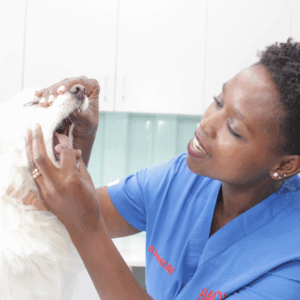
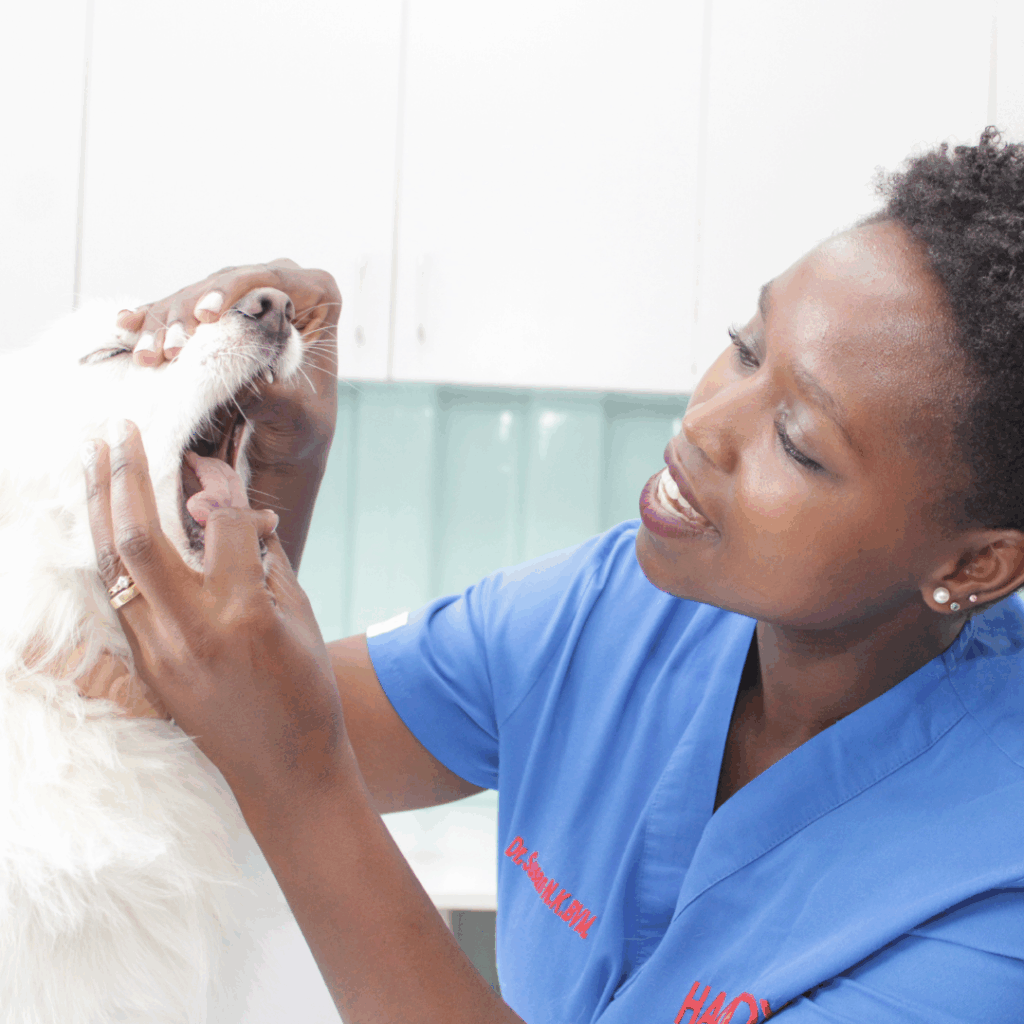
A veterinary dental examination allows the veterinarian to assess the condition of your pet’s mouth.
The veterinarian may examine:
- Teeth
- Gums
- Tongue
- Mouth tissues
- Jaw
- Signs of infection
- Broken or loose teeth
- Tartar and plaque
If significant dental disease is suspected, further examination or diagnostic procedures may be recommended.
Does My Pet Need Professional Dental Cleaning?
Some pets require professional dental treatment when plaque and tartar have progressed beyond what can be managed with home care.
A professional dental procedure may involve:
- Examination
- Cleaning
- Removal of tartar
- Assessment of individual teeth
- Treatment or extraction of damaged teeth where necessary
- Post-procedure care
Your veterinarian will determine what treatment is appropriate based on your pet’s condition.
Why Can’t I Just Remove My Dog’s Tartar at Home?
Trying to scrape hardened tartar off your pet’s teeth at home can cause injury.
It may also leave underlying dental disease untreated.
Professional veterinary dental care allows the mouth to be properly assessed and treated.
If your dog has significant tartar, bleeding gums or loose teeth, arrange a veterinary examination instead of attempting to remove the tartar yourself.
Does Dental Disease Hurt Dogs and Cats?
Yes.
Dental disease can cause significant pain, particularly when infection, damaged teeth or advanced gum disease are present.
Unfortunately, many pets continue eating and behaving relatively normally despite dental pain.
This means that a pet appearing to be “fine” does not necessarily mean its mouth is healthy.
Regular dental examinations are therefore important.
Can Dental Disease Affect a Pet’s General Health?
Severe oral disease can have effects beyond the mouth.
The mouth contains large numbers of bacteria, and advanced dental disease can be associated with inflammation and infection.
Your veterinarian can explain how your pet’s dental health relates to its overall health and whether treatment is recommended.
Which Dogs Are More Likely to Develop Dental Problems?
Any dog can develop dental disease.
However, some dogs may be more prone to dental problems because of factors including:
- Age
- Breed
- Small mouth size
- Tooth crowding
- Existing dental disease
- Poor oral hygiene
- Diet
Small-breed dogs can be particularly prone to dental problems because their teeth may be crowded within a smaller mouth.
Which Cats Are More Likely to Develop Dental Problems?
Dental disease can affect cats of different ages and breeds.
Older cats may have accumulated more dental problems over time, while individual cats can differ considerably in their susceptibility.
Regular veterinary examinations are the best way to monitor your cat’s oral health.
What Can I Do at Home to Protect My Pet’s Teeth?
There are several ways you can support good oral hygiene.
Brush regularly
Use a pet-specific toothbrush and toothpaste.
Start early
Introducing dental care when your pet is young can make the process easier.
Schedule veterinary examinations
Professional dental assessments can identify problems you may not notice at home.
Monitor your pet’s mouth
Look for:
- Red gums
- Swelling
- Tartar
- Broken teeth
- Bad breath
- Bleeding
- Loose teeth
Follow your veterinarian’s recommendations
If your pet has existing dental disease, follow the recommended treatment and home-care plan.
How Much Does Pet Dental Care Cost in Nairobi?
The cost of veterinary dental care varies depending on the condition of the pet and the treatment required.
Factors that can affect the cost include:
- Severity of dental disease
- Type of procedure
- Number of teeth affected
- Whether extractions are required
- Anaesthesia
- Diagnostic tests
- Medication
- Follow-up care
A simple dental examination will generally have different costs from a procedure requiring extensive treatment or multiple extractions.
For current dental treatment prices at Hardy Veterinary Clinic, contact the clinic directly.
When Is Dental Treatment an Emergency?
Most dental problems are not sudden emergencies, but some situations require urgent veterinary attention.
Seek veterinary care promptly if your pet has:
- Severe facial swelling
- Heavy bleeding from the mouth
- Significant trauma to the mouth or jaw
- Difficulty breathing
- Severe pain
- Inability to eat or drink
- A suspected foreign object stuck in the mouth
If you are unsure how serious the problem is, contact a veterinary professional for advice.
Pet Dental Care in Karen, Nairobi
If you live in Karen, Hardy, Lang’ata or surrounding areas of Nairobi, Hardy Veterinary Clinic provides veterinary dental care for dogs and cats.
Our veterinary services include:
- Pet dental care
- General consultations
- Dog and cat vaccinations
- Emergency veterinary care
- Diagnostics and laboratory services
- Pet surgery
- Parasite management
Regular veterinary visits can help identify dental problems before they become more advanced.
Frequently Asked Questions
How often should I brush my dog’s teeth?
Daily brushing is generally the ideal goal for plaque control, although any regular brushing may be better than none. Introduce brushing gradually and use products designed specifically for dogs.
Can I use human toothpaste on my dog?
It is better to use toothpaste specifically formulated for dogs. Some ingredients in human toothpaste can be harmful to pets.
How often should cats have their teeth cleaned?
The appropriate frequency depends on the cat’s dental health, age and individual risk. Your veterinarian can recommend a suitable dental-care schedule.
Does bad breath mean my dog has dental disease?
Persistent bad breath can be a sign of dental disease, although it can also have other causes. A veterinary examination can determine the underlying problem.
Can dental disease cause my pet to stop eating?
Yes. Painful teeth or gums can make eating uncomfortable. A pet that stops eating should be assessed, particularly if the problem persists.
Does pet dental cleaning require anaesthesia?
Depending on the dental procedure and the animal, veterinary dental treatment may require anaesthesia so that the mouth and teeth can be properly examined and treated. Your veterinarian will assess the individual pet and explain the procedure.
How much does dog dental cleaning cost in Nairobi?
The price varies depending on the dog’s dental condition and the treatment required. Contact Hardy Veterinary Clinic for a current assessment and quotation.
Give Your Pet a Healthier Smile
Dental health is an important part of your dog’s or cat’s overall wellbeing.
Don’t wait until your pet develops severe bad breath, loose teeth or difficulty eating before checking its mouth.
Regular dental examinations, appropriate home care and professional treatment when needed can help keep your pet comfortable and healthy.
Hardy Veterinary Clinic
391 Kongoni Road, Hardy–Karen, Nairobi
Veterinary services include:
✓ Pet dental care
✓ Dog and cat vaccinations
✓ General consultations
✓ Emergency veterinary care
✓ Diagnostics and laboratory services
✓ Pet surgery
Contact Hardy Veterinary Clinic to arrange a dental examination for your dog or cat.